
Manual trading can run anywhere, algos belong in the cloud
Why manual trading works from phones and laptops, but production algorithmic trading deserves cloud infrastructure, monitoring, and remote controls.
- Risk Management
- Trading Basics
- Trading Research
- Trading Psychology
- Python for algorithmic trading
- Scalability in trading
- Manual trading can run anywhere, algos belong in the cloud
- Why traceability beats clever automation
- From TradingView alerts to a strategy journal
- Trading Signals
- Commodity Research
- AI Trade Review
- Signal Readiness
- Risk Capacity
- Forecasting
- Trade Flow
- Trade Quality
- Trading Roles
- Platform Architecture
- Product Thinking
- Product Notes
Manual trading is mobile now
Manual trading can be done almost anywhere now. A phone, a laptop, a tablet, a broker app, a hotel Wi-Fi connection, or a quiet moment between meetings can be enough to check a chart or manage a position.
That flexibility is one reason manual trading still feels natural to many people. The trader is the runtime. If the trader is awake, connected, and focused, the trading setup can move with them.
That does not mean manual trading is easy. It just means the infrastructure requirements are lighter because a human can decide whether the current device, connection, and market context are good enough.
Algos are different
Algorithmic trading is different once it goes to production. At that point, the system is supposed to listen, evaluate, execute, record, and react even when you are not sitting in front of it.
For that, I recommend going to the cloud. A production trading bot should not depend on a home PC staying awake, your local internet behaving, or the power at your desk staying stable.
The more serious the automation becomes, the more it should be treated like infrastructure instead of a script running on a personal machine.
Home PCs fail in boring ways
A home computer can fail in very ordinary ways: power outage, router issue, operating system update, sleep mode, frozen process, broken VPN, expired session, or someone closing the wrong window.
Those failures are not dramatic, but they matter if an automated system is supposed to manage real risk. A missed entry is annoying. A missed exit or a stuck position can be much worse.
You can code remote shutdown or remote control around a home setup, but at some point you are rebuilding a less robust version of what cloud infrastructure already gives you.
Remote access matters
A cloud account can be reached from almost anywhere in the world. If something really needs to stop, you can pause a Lambda, disable a strategy, rotate a secret, update an environment variable, or inspect logs without needing physical access to one machine at home.
That matters because trading problems do not politely wait until you are back at your desk. If an account behaves strangely, a broker API changes, or market conditions become abnormal, the control surface needs to be reachable.
The best setup is not only the one that can open trades. It is the one that can be paused, inspected, and recovered when the trade automation behaves differently than expected.
Cloud is not magic
The cloud does not magically make a trading system safe. You still need monitoring, logs, alerts, secrets management, idempotency, retries, kill switches, and sane risk limits.
But cloud infrastructure makes those pieces easier to operate consistently. It gives the trading system a place to run that is less dependent on your personal device and more suitable for production behavior.
That is one of the ideas behind Quantarya: trading automation should be inspectable and controllable from wherever you are, without relying on a fragile local setup.
Practical takeaway
Manual trading can live on phones and laptops because the human is still making the decision in the moment.
Production algorithmic trading should usually live in the cloud because reliability, remote access, observability, and emergency controls matter more once trades can happen without you watching.
This is not financial advice. It is an infrastructure preference: if the bot is serious enough to trade real money, it is serious enough to run somewhere more robust than a home PC.
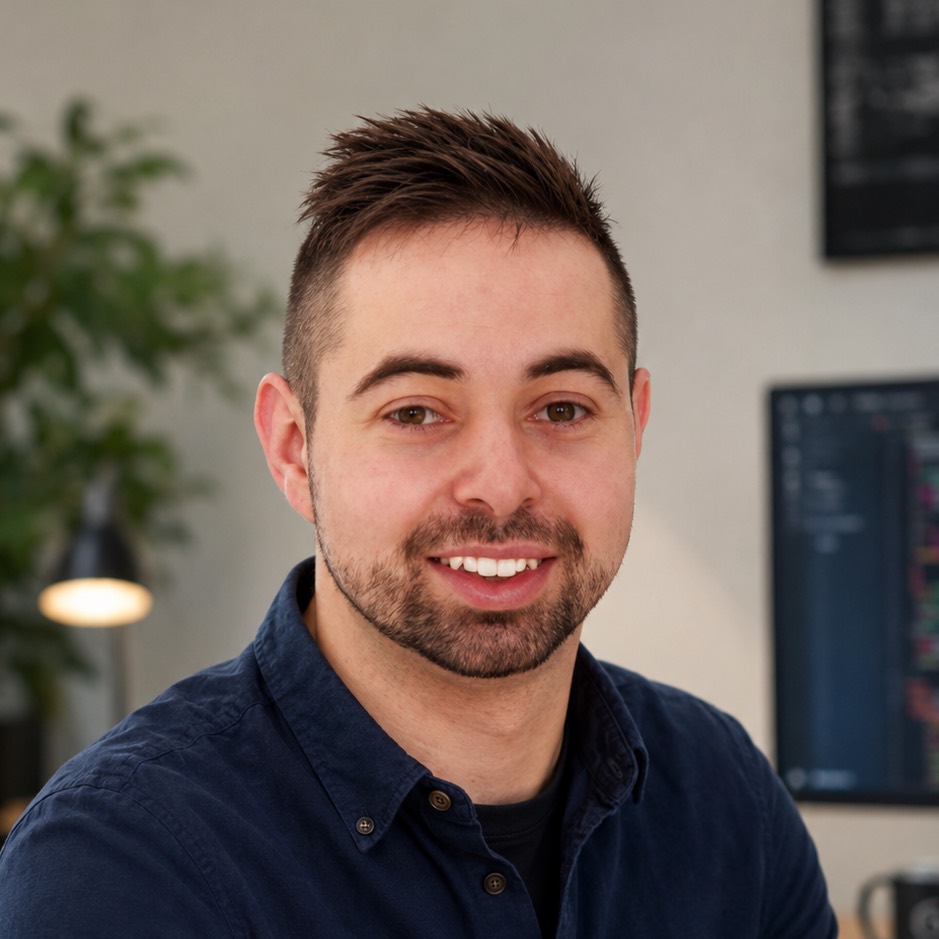
Christian Weiss
Christian has worked in software engineering, data platforms, and cloud infrastructure for over a decade. He currently works on large-scale AWS-based data platforms and writes about software engineering, trading systems, automation, and the lessons learned while building Quantarya. He is also a hobby quant and the founder of Quantarya.